Occupational Health and Safety Amendment (Dangerous Goods) Bill 2026
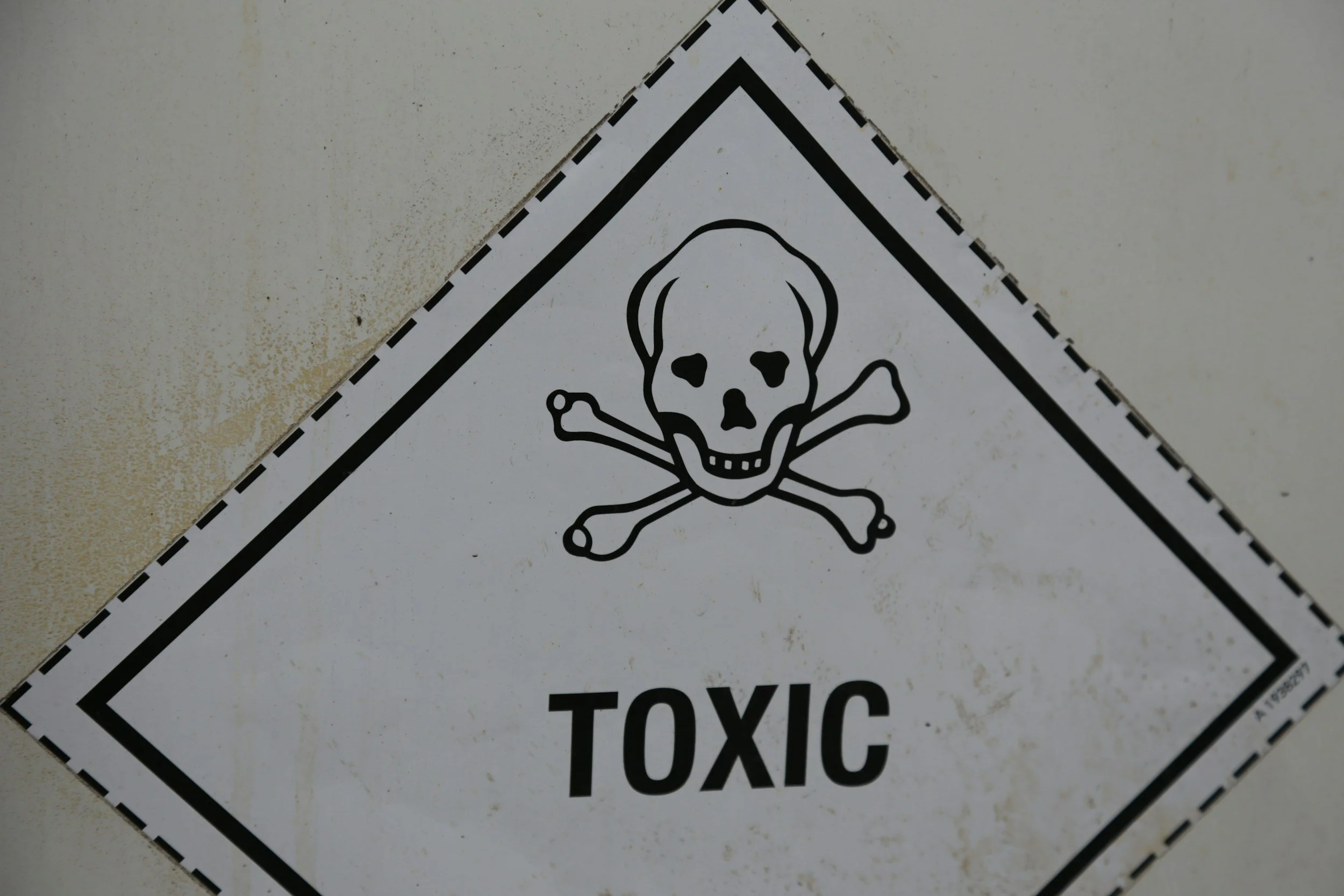
Victorian Government initiates the most significant reform to dangerous goods legislation in 40 years
The Victorian Government is proposing to modernising the regulation of dangerous goods with a shift from standalone, prescriptive regulation; incorporating it within existing occupational health and safety laws. This change, along with the introduction of a suite of modern enforcement tools are intended to help keep the Victorian community safe from dangerous goods chemical fires and incidents.
In April 2020, the Victorian government announced a comprehensive review of Victoria’s dangerous goods laws and appointed Andrew Palmer KC as the Independent Reviewer. The catalyst for the Review was several high profile incidents associated with illegal chemical stockpiling at several sites across Melbourne in 2018 and 2019, including the infamous West Footscray Fire.
The Independent Reviewer was tasked with considering contemporary issues and challenges in the management of dangerous goods including emerging risks and issues and their impact on the safety of people and property.
The Independent Reviewer found that the current dangerous goods regulatory framework is outdated and likely contributing to non-compliance and illegal activity.
“The current dangerous goods regulatory framework is clearly outdated, difficult to navigate and inconsistent with other regulatory frameworks that dangerous goods duty holders are required to comply with. This is likely contributing to non-compliance and illegal activity, as unscrupulous operators take advantage of weaknesses in regulation and regulatory oversight.”
Final Report of the Independent Review of the Dangerous Goods Act 1985
In April 2026, the Victorian government introduced the Occupational Health and Safety Amendment (Dangerous Goods) Bill 2026 to address findings of the Independent Reviewer. The Bill will amend the Occupational Health and Safety Act 2004 to incorporate the regulation of dangerous goods, including security sensitive ammonium nitrate (SSAN) and explosives, at workplaces and other places and for other purposes.
This will fundamentally change the Occupational Health and Safety Act 2004 to incorporate places and situations outside of a work context. Consistent with other state jurisdictions, the regulation of dangerous goods (including explosives and SSAN) and hazardous substances will be regulated within a single legislative framework.
Significantly, the Bill will modernise the regulation of dangerous goods by introducing a broad general duty of “due diligence” requiring a person involved in the handling of dangerous goods to ensure the dangerous goods are handled in a manner that is safe and without risks to health, safety and property.
This is a significant step away from what has historically been prescriptive obligations, shifting the onus onto the duty-holder to proactively identify, manage and review dangerous goods risk.
The Bill will also expand WorkSafe's powers and enforcement tools in relation to dangerous goods and occupational health and safety. Reinforcing the necessity to ensure the risk of dangerous goods incidents is managed appropriately taking into account contemporary knowledge and risk controls.
If your business stores and handles dangerous goods, don’t wait for the laws to change, take steps today to:
acquire and keep up-to-date knowledge of dangerous goods safety
gain an understanding of the nature of dangerous goods handling operations and their associated hazards and risks
ensure appropriate resources are available and utilised to manage dangerous goods hazards and risks
confirm their are adequate processes to eliminate or minimise dangerous goods risks and risks are implemented
ensure appropriate processes for receiving, considering and responding to information relating to dangerous goods incidents, hazards and risks
MicroRisk Group can assist you to understand your obligations under the current and proposed regulatory framework and ensure that your business is managing its risks. See our Servicesfor more information.